Bezos Day 1 Letter

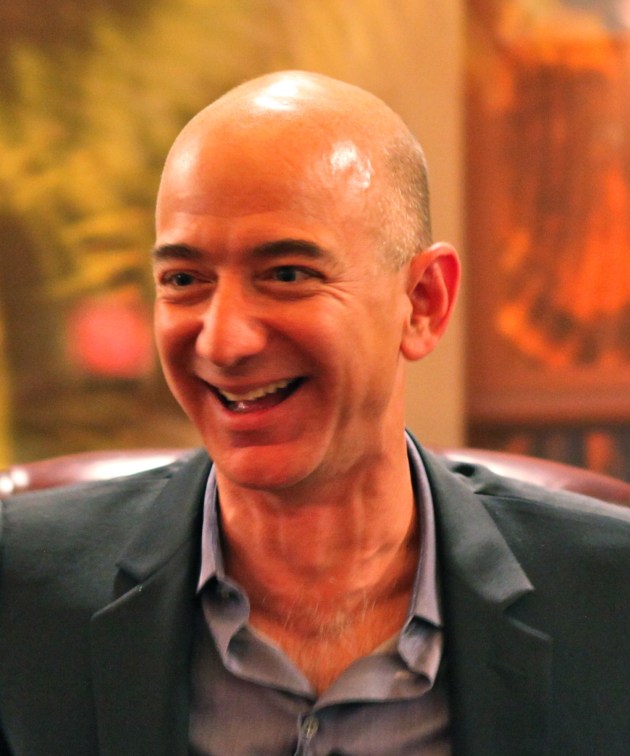
bezosIf you are a founder, please read Jeff Bezos’s letter to Amazon shareholders.  He does a great job of distilling why it’s so difficult to build a great company.

What he describes as a Day 2 company would include the majority of businesses around us, including many market leaders.  He describes Day 2 as sometimes taking decades – extreme slow motion.

It is very, very difficult to stay in Day 1 mode.  I am not even sure Amazon’s succeeding there, as it’s also tough to tell.

However, customer obsession is one way you can try to stay in Day 1 mode, and avoiding proxies and celebratory narratives will help you along the way. However, it won’t help you feel good.

Entrepreneurship rarely feels good.
Online Retail Turning a Corner

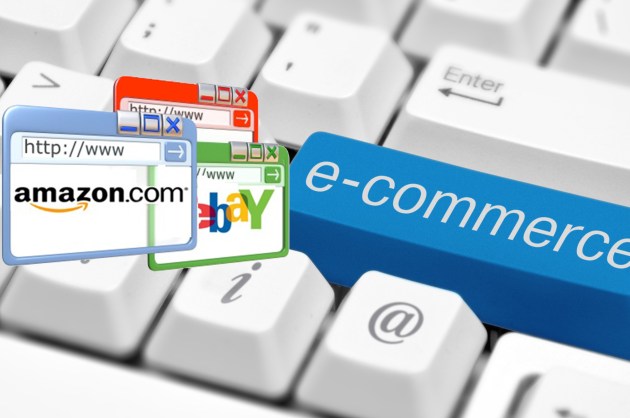
E-commerce concept image

We have a love-hate relationship with online retail companies.  My partner Evren is the founding investor at Trendyol, Turkey’s online fashion champion.  We have backed Vivense, the leading online seller of furniture that is growing rapidly with healthy metrics.  Trendyol is now one of the biggest Turkish tech success stories and Vivense has become the leader in its focus area of hard furniture.

Our experience, laced with blood, sweat, and tears, has shown us how difficult it is to build a sustainable and healthy online retail business, and we have also passed on a very large number of online retail startups.

Recently, I am sensing a change in how the world views online retail. In the recent months, we have seen some major moves in the sector:

  • Emerging Markets conglomerates are investing into retail e-commerce.
  • Amazon has made a rare market-entry driven acquisition in MENA.
  • The leading local e-tailer in India, Flipcart, has raised a massive new round is rumored to be contemplating buying its largest local competitor, Snapdeal.
  • Walmart paid $3b for Jet.com, which, at the time, was little more than a large repository of know-how and ambition.
  • Unilever acquired DSC for $1b, showing the potential in smart vertical integration in certain e-commerce niches.
  • It finally looks like Birchbox is profitable (read: perhaps sustainable), providing new hope for subscription models.
  • Trendyol is now nicely profitable, without compromising from its rapid growth.
  • Leaders like Amazon (generalist) and Zalando (fashion specialist) are trading at all-time highs.

I think these headlines are a sign that strong execution, operational excellence, and adequate funding are coming together in select pockets to show that retail e-commerce can work.

Simple

simpleWe get approached by ~1200 companies per year and spend some time with about 400 of them.  One of the key filters for us to identify opportunities we may be interested in is how quickly we can grasp the basics of the business’s economics; i.e. how value gets created.

In most cases, the best way to observe this is the income statement.  That is why it’ s important to show some granularity primary line items in the income statement. Viewing the income statement across a meaningful time span, you can start connecting the dots and get a feel of how the business creates value.

However, in some cases, we look at income statements in which the value chain is not obvious.  We view this as a bit of a red flag.  We try to work with the founders to dig and understand the value drivers, but experience shows that if a founder is having difficulty explaining the fundamental economics and the way value is created within a few lines on her business plan, it’s likely that their model is flawed, or worse, they don’t fully understand it themselves.

Warren Buffett warns that a business you invest in should be simple and understandable.  We agree.